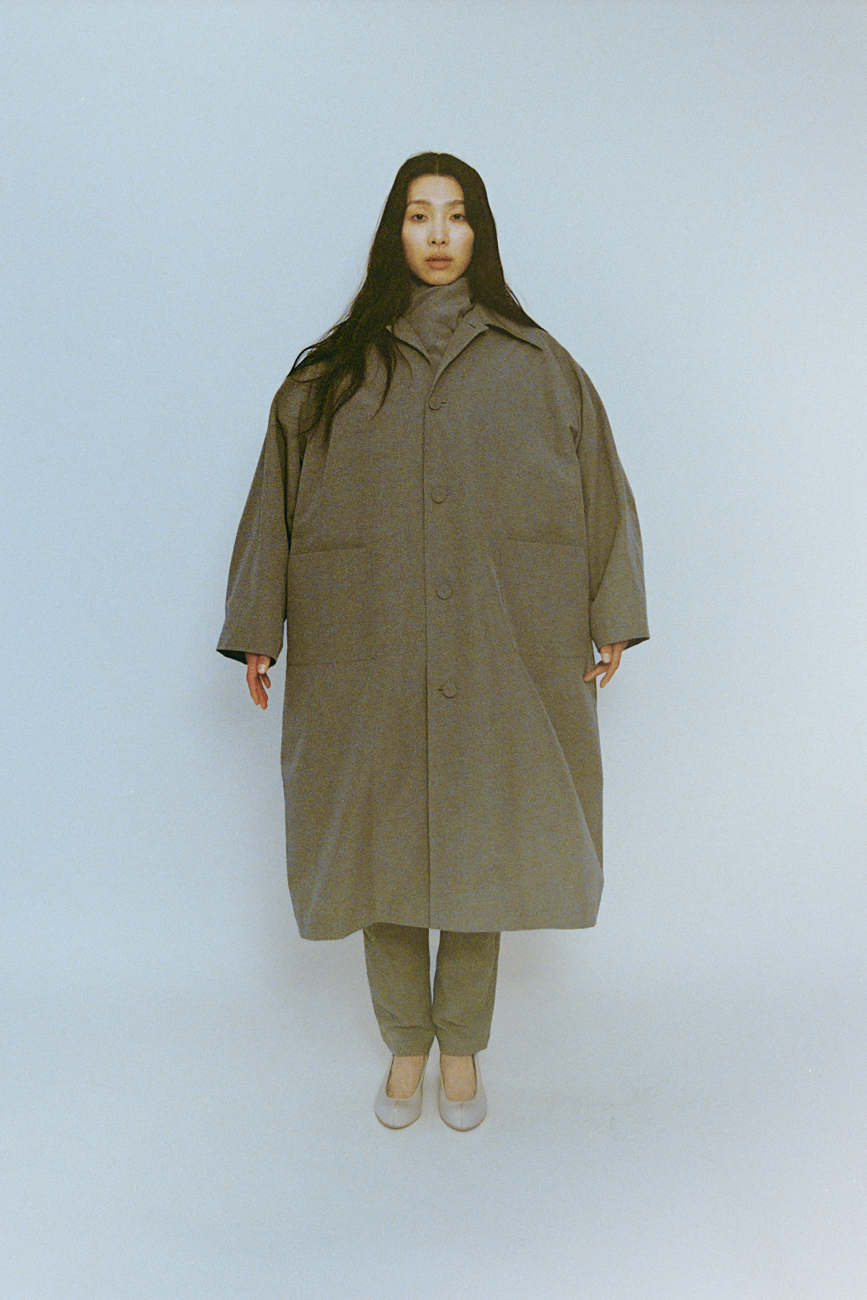
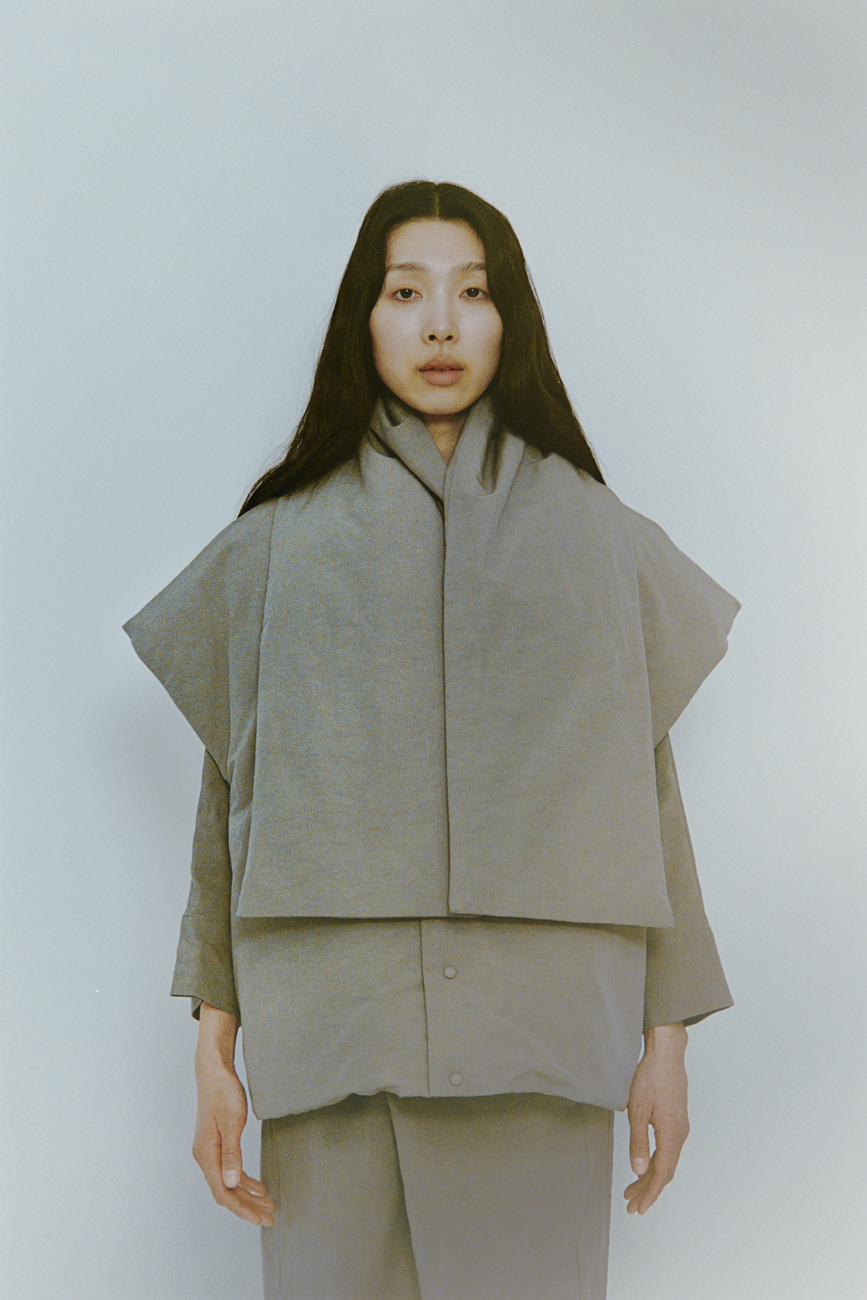
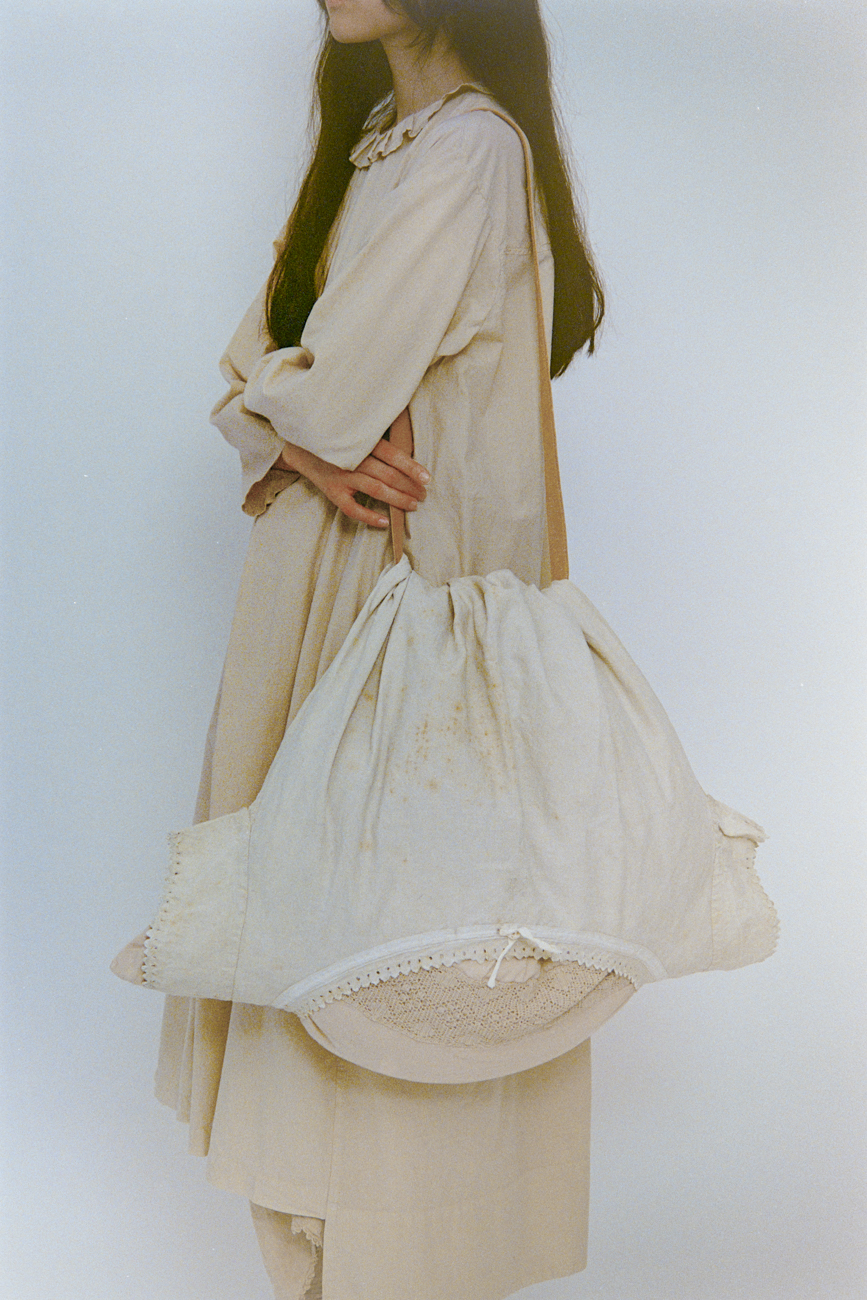
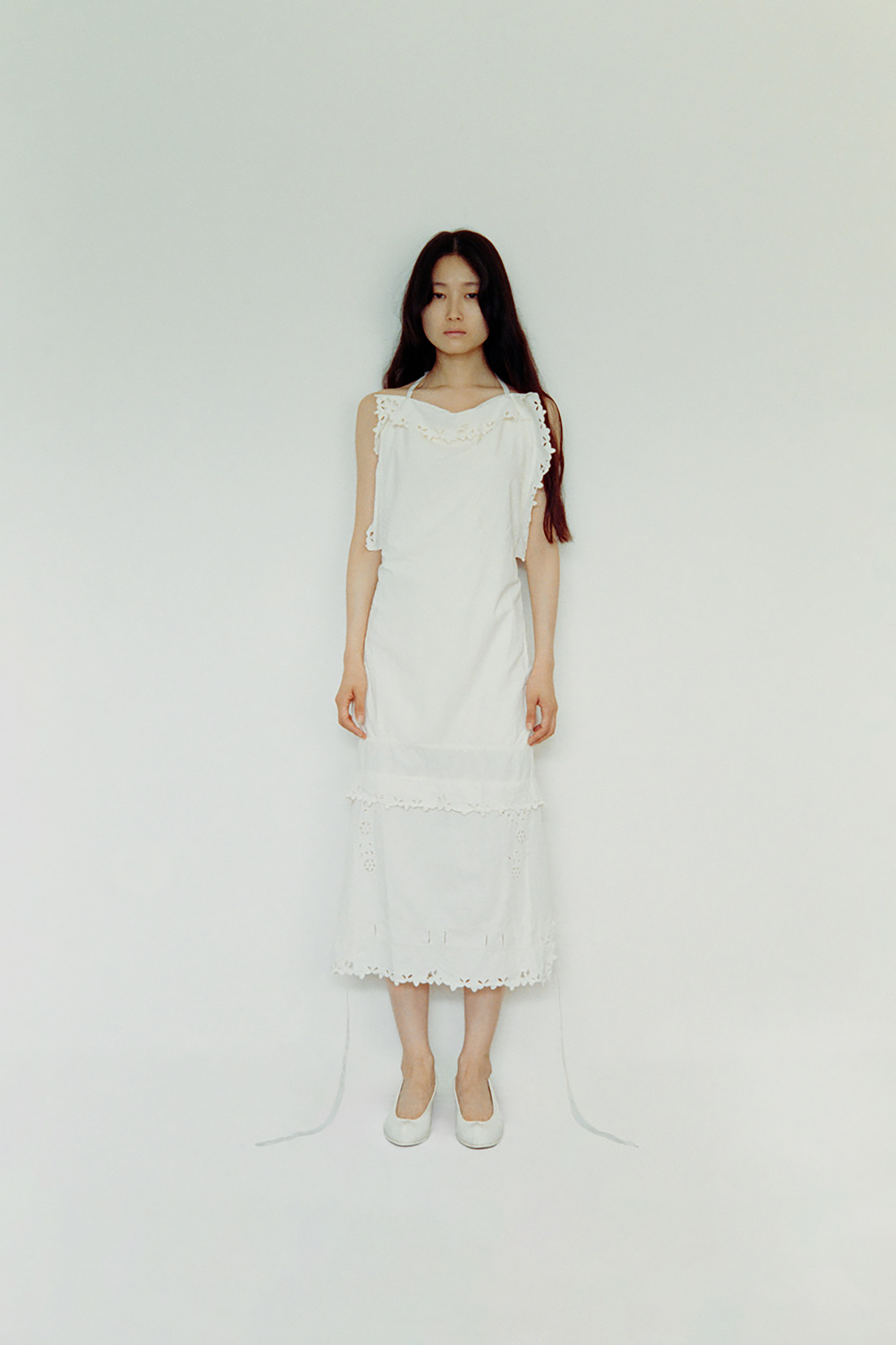
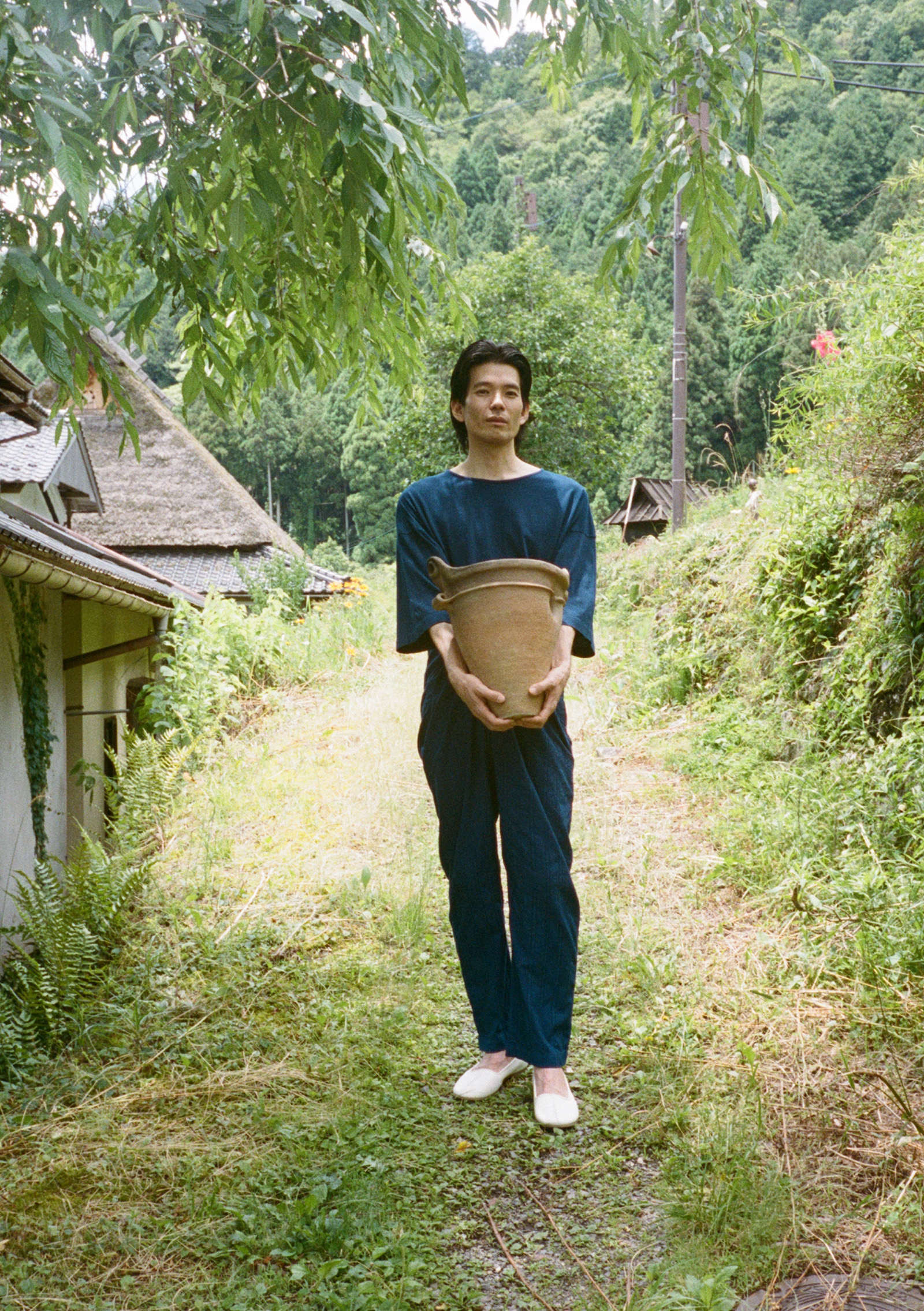
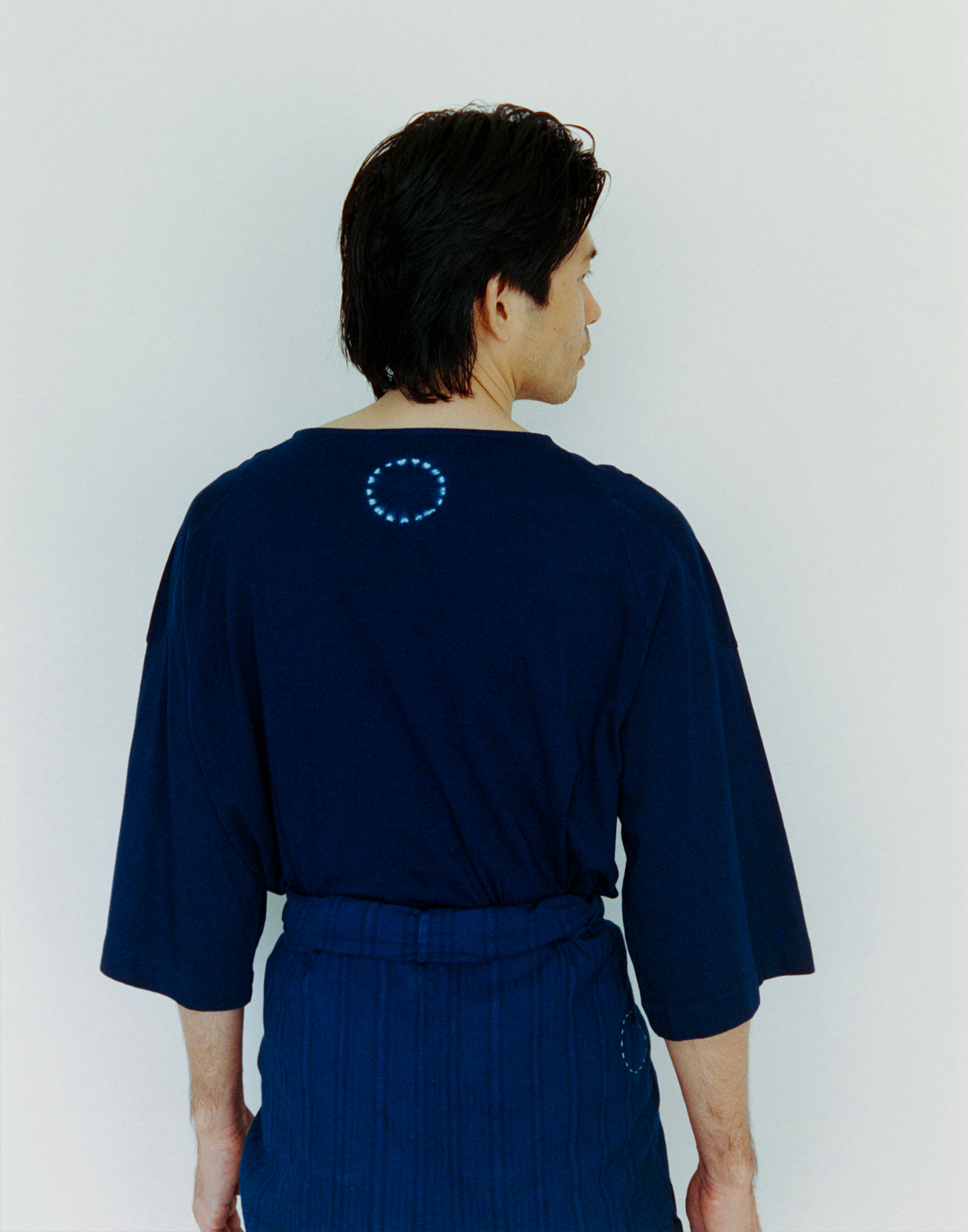
We are pleased to arrival for Winter wardrobe items from the latest collection “North Village Fair” A|W 2025. The new collection is available at Official distributor and COSMIC WONDER Online Shop.
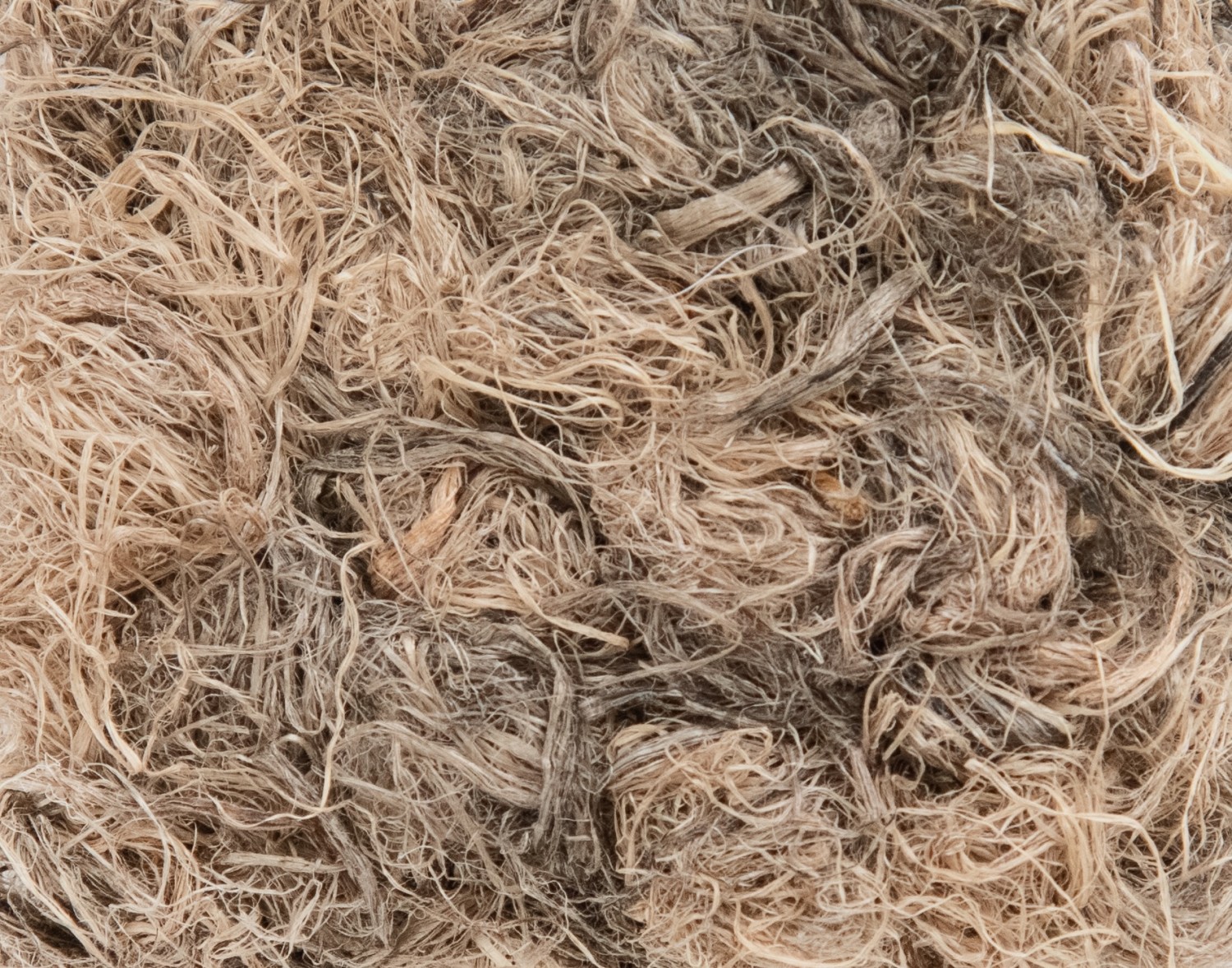
Wisteria weaving involves creating thread from the vines of wild wisteria growing in the mountains to make cloth.
The work begins with cutting wisteria in the mountains, followed by stripping the vines, boiling ash lye, beating the wisteria, flattening it, spinning the wisteria, twisting the yarn, warping the loom, setting up the warp, mounting the loom, and finally weaving.
The cloth is produced through this dizzying array of painstaking, hand-crafted processes. The Wisteria “Okuso” Brooch is woven using the sashiko technique, made from threads spun from the scraps produced during the wisteria beating process.
The natural color is the inherent hue of the wisteria fibers; the gray is dyed with yashabusi (Japanese sumac); the brown is dyed with persimmon tannin and chestnut.
Wisteria weaving, born from the blessings of nature, human hands, and time, reveals an irreplaceable beauty that heals us.
We are pleased to announce a solo exhibition by AAWAA, director of COSMIC WONDER and artist, at Taka Ishii Gallery Kyobashi.
In conjunction with this exhibition, a collection of works on the theme of tan will be published by AKAAKA Art Publishing.
We look forward to seeing you there.
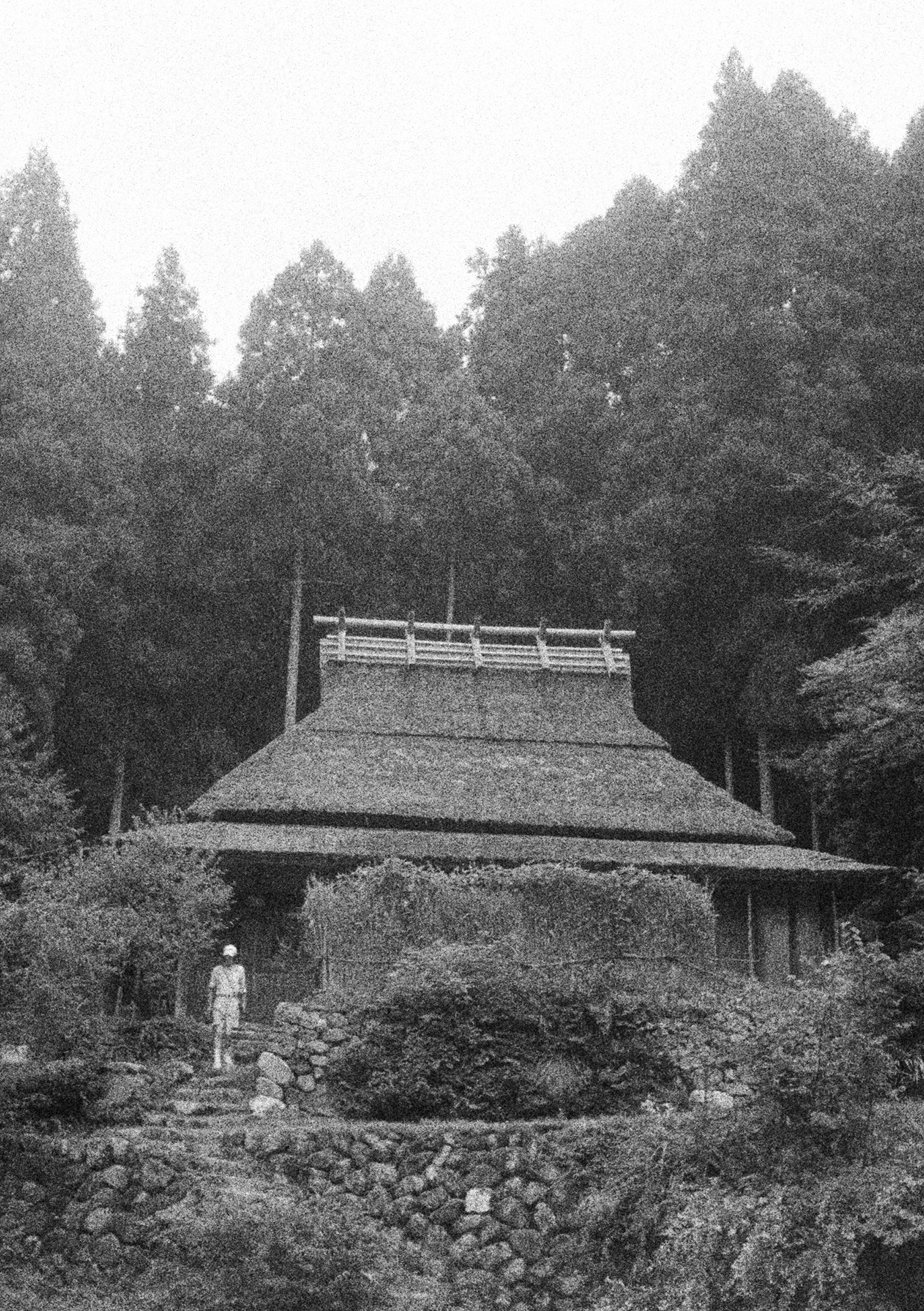
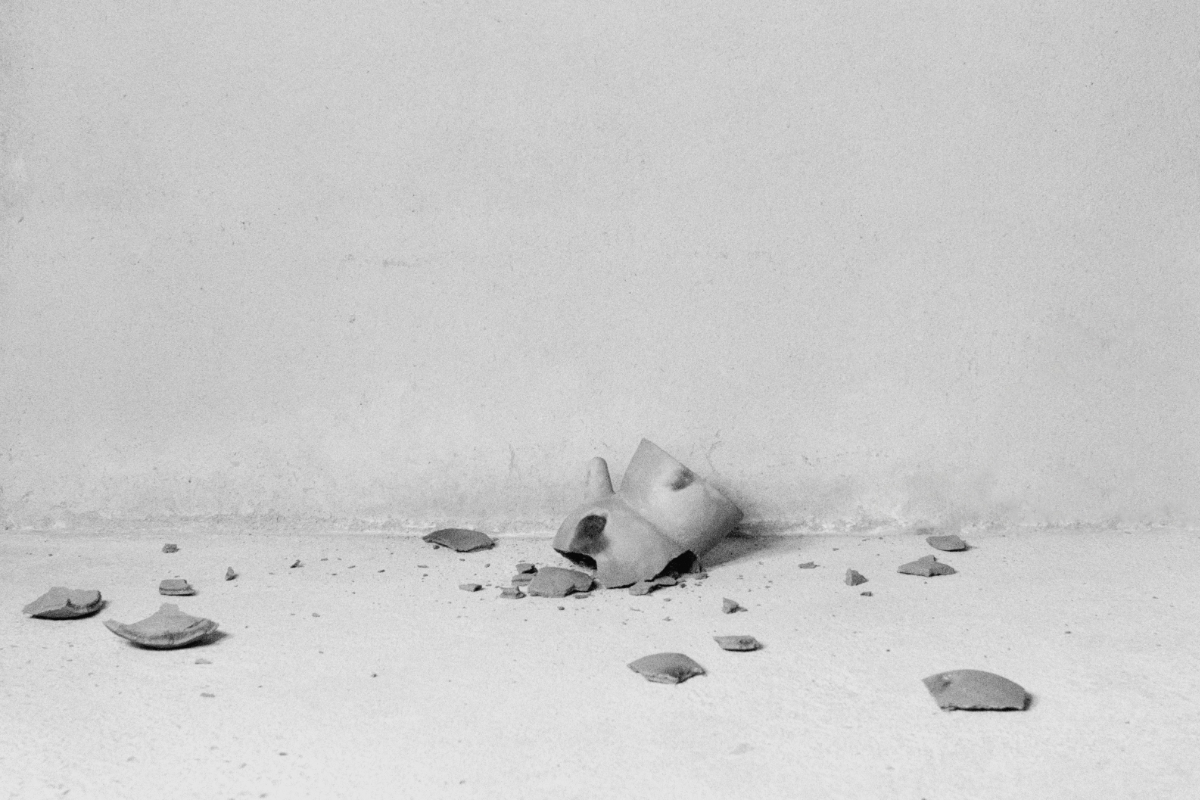
My exploration of tan is now approaching its third year. The character “Ni” appears in many place names in this region.
From Miyama to the Tango Peninsula, I have repeatedly traveled it with my Shiba Inu companion, listening intently for the constant hum of Ni amid the ever-changing rhythms of daily life, trying to grasp something hazy and formless that seems to rise from the land itself.
Impressions stirring somewhere deep in my memory linger like afterimages behind my eyes, then futter back to stillness like flakes in a snow globe.
When the song of the bell crickets heralds the end of summer, my memories of Ni crystallize in two different spaces.
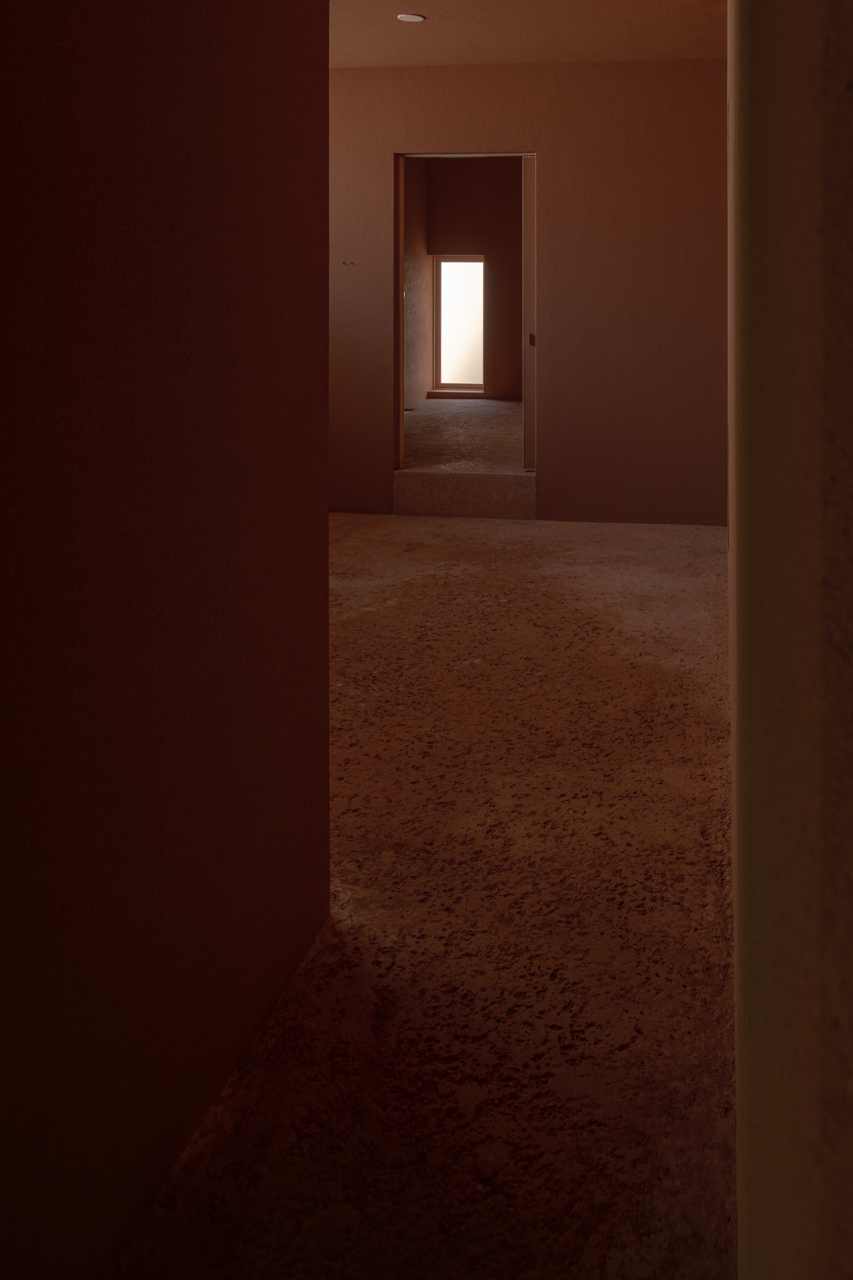
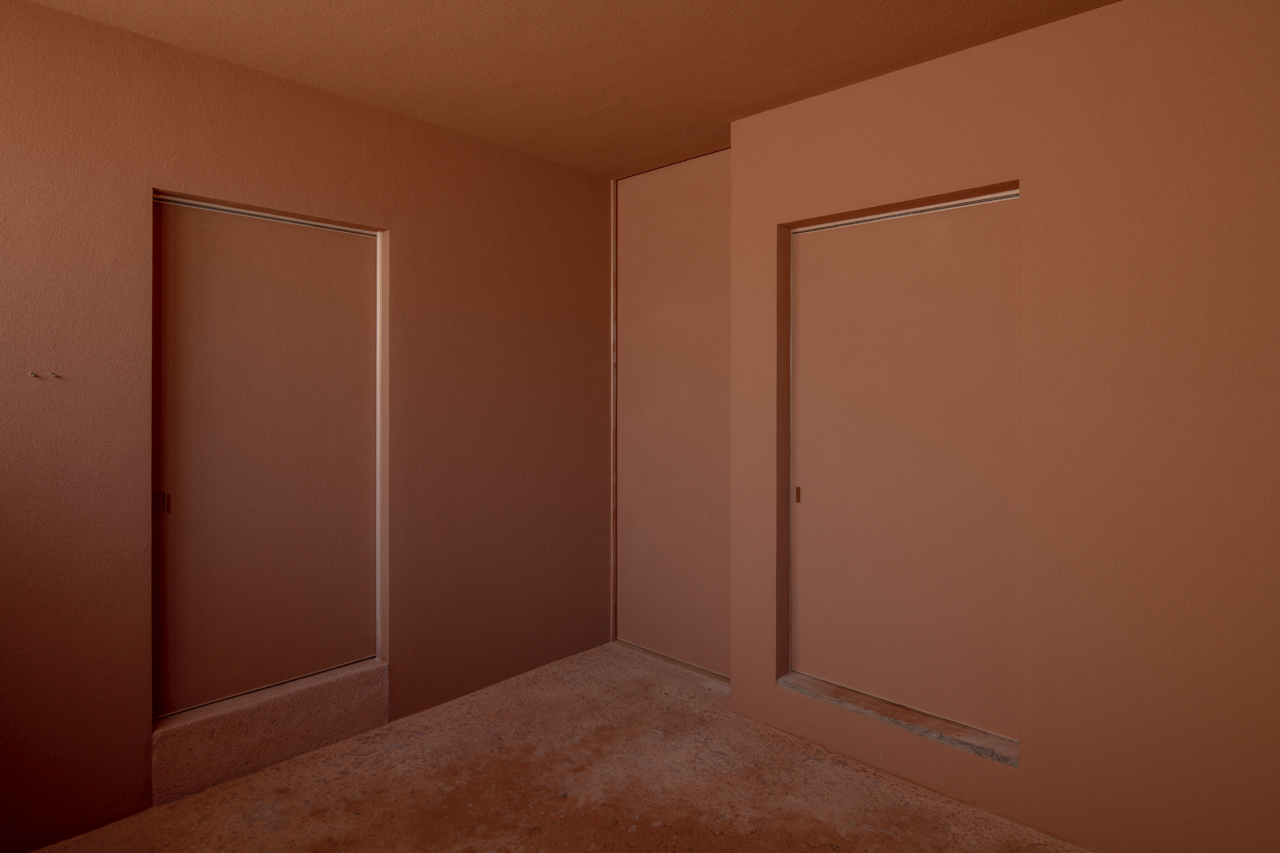
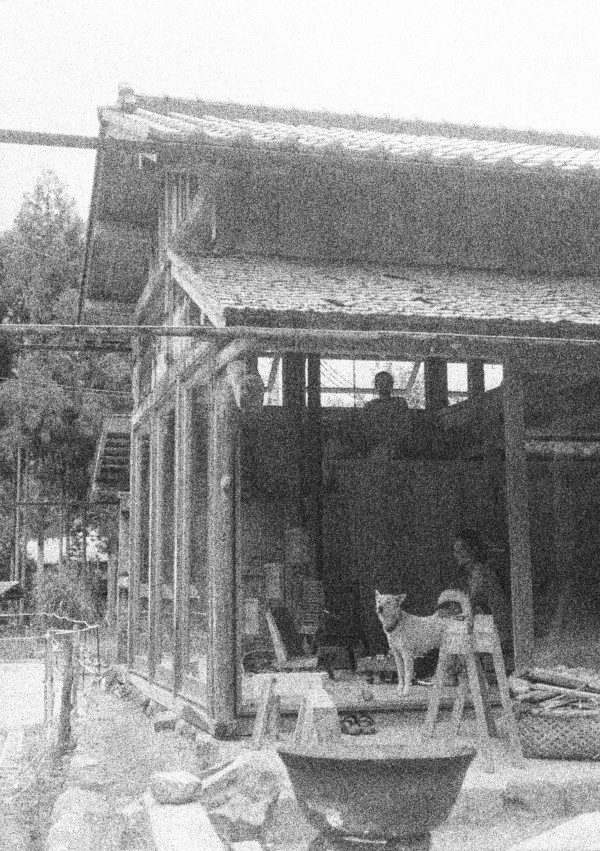
For the Summer exhibition, We are pleased to announce the completion of the TAIZA Residence, which AAWAA has been working on with TOMORROW FIELD.
We are looking forward to welcoming you with pleasure.
The following is from the TOMORROW FIELD release text…
TOMORROW FIELD launched in 2020 in the Taiza district. This year, marking its fifth, the project will host both Summer and Autumn exhibitions.
For the Summer exhibition, , all the spaces of the TAIZA Residence, which have been built in stages since last year, will be completed, and will be open to the public for the first time.
The TAIZA Residence is a new living space created by AAWAA, a contemporary artist and the director of COSMIC WONDER, together with traditional craftsmanship with modern sensibility utilizing local Kyotango materials will be plaster specialists,washi papermaker and TOMORROW to confront the skills and the climate of Kyotango.
Duration:
August 9 − September 15
Open *Sat, Sun, Mon, National holidays
11:00 − 17:00
*On August 9th, AAWAA will be present.
Admission:
¥1,000(All venues included)/
Venue:
TAIZA Residence
3332-2 TAIZA, Tango-cho, Tango-shi, Kyoto
Organizers:
TOMORROW, Japan Arts Council, Agency for Cultural Affairs, Government of Japan
Supports:
Kyotango City, Kyotango City Board of Education, Kyoto by the Sea DMO
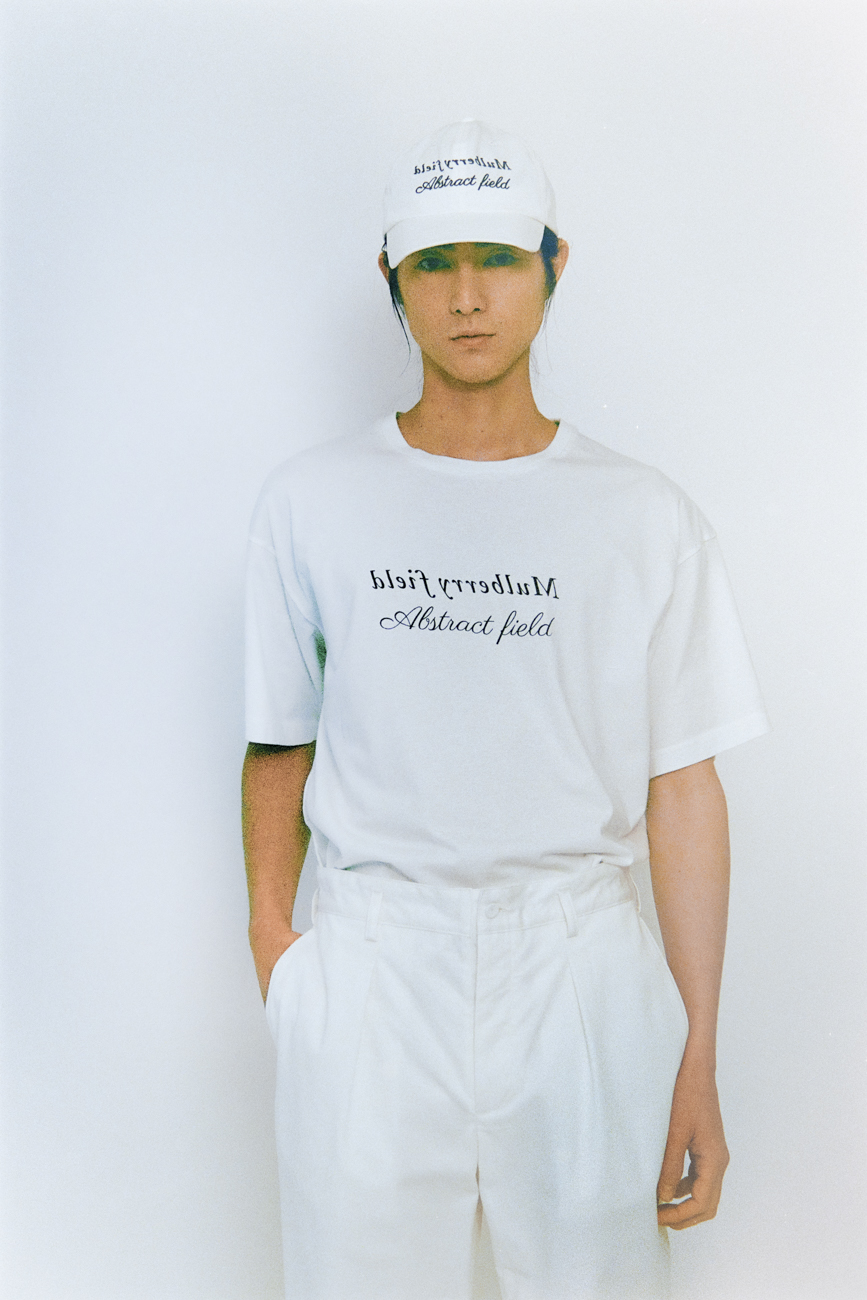
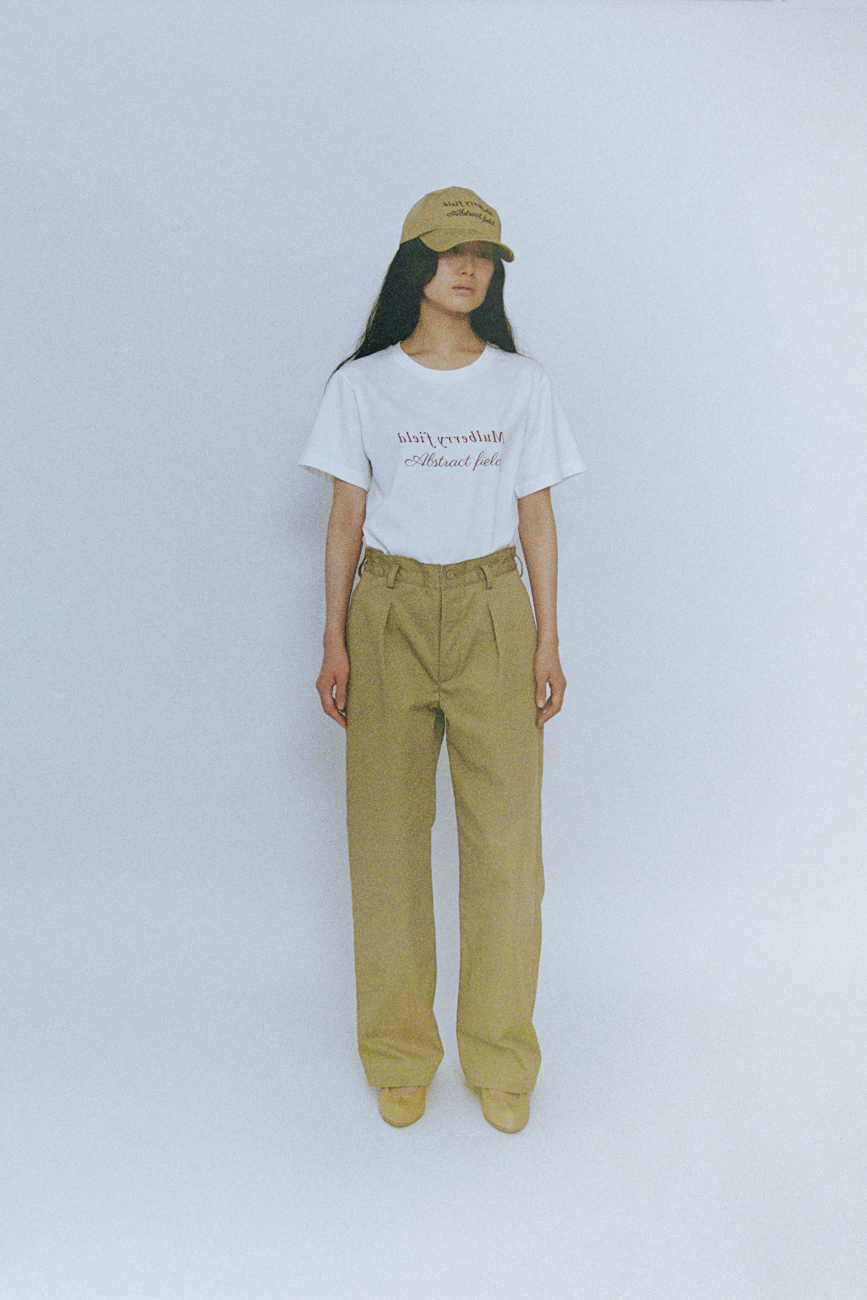
We are pleased to announce the new arrivals “Mulberry field” cap, “Mulberry field” t-shirt, Organic cotton chino 1920’s work pants from “Mulberry field” collection.
We are pleased to announce our new collection exhibition of COSMIC WONDER at Elbereth, Kyoto.
The Ajrak collection is made of organic kala cotton, a native Indian cotton, and printed by Pakistani artisans in the Kutch region of western India using ajrak (woodblock printing), a natural indigo dye and akane herb dyeing. Workwear made into old denim jackets and pants from fabrics made from kala cotton dyed with indigo and hand-woven into denim by twill weaving.
Made from a combination of sumi-dyed linen sheeting and a cotton-linen typewriter densely woven with a washed and bleached look created by refining and dyeing.
This collection is inspired by the striped fabrics of 19th century Europe.
The piece-dyeing process produces subtle variations of color. Colors are Black, Shell, Violet ash, Citron ash, Rose crystal, Dark sumi, and Ryukyu indigo.
Collection includes: Twisted dress combination with organic cotton Panama jacquard and double gauze check, Wrapped pants in two different European stripes, Wrapped skirt, Wrapped dress and Farmer dress in a combination of Panama jacquard.These and other carefully selected items are available.
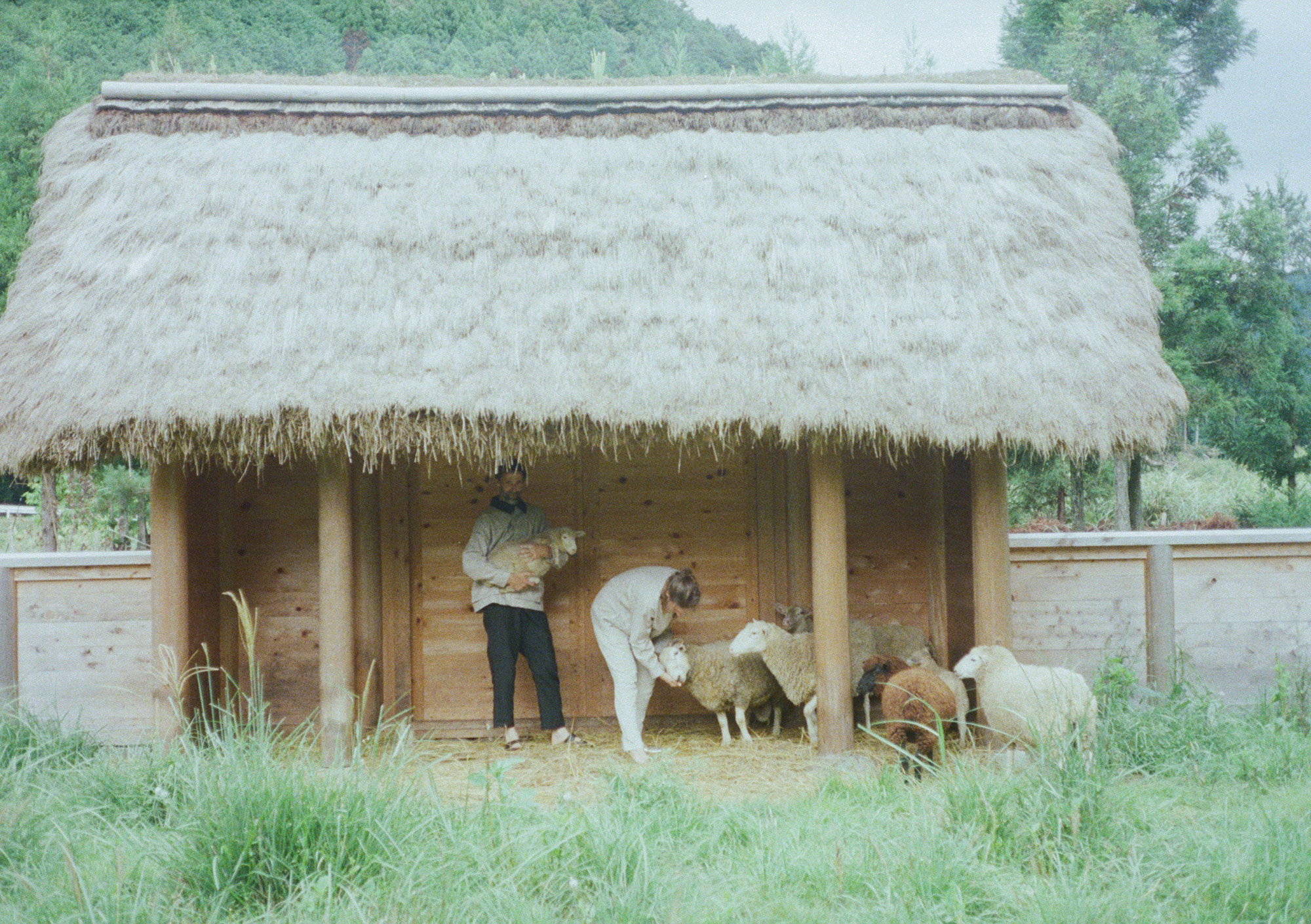
snow is resting on thatched roofs. i feel feathers in my belly. its gonna be 5 years we are living in and renovating the farmhouse by the river, 10 years we are living and working in Japan. we never had a plan or always had the plan to let the door open and embrace unknown situations. June 2021, we just finished to rebuild a townhouse in Kyoto, just started to discover and experience importance of fibres in japanese traditional constructions. Timber, tatami, straw ropes, woven shoes and garment, straw mixed with soil for walls, paper for partition, fibre everywhere. we wanted to …[Read more]



 Facebook
 Twitter